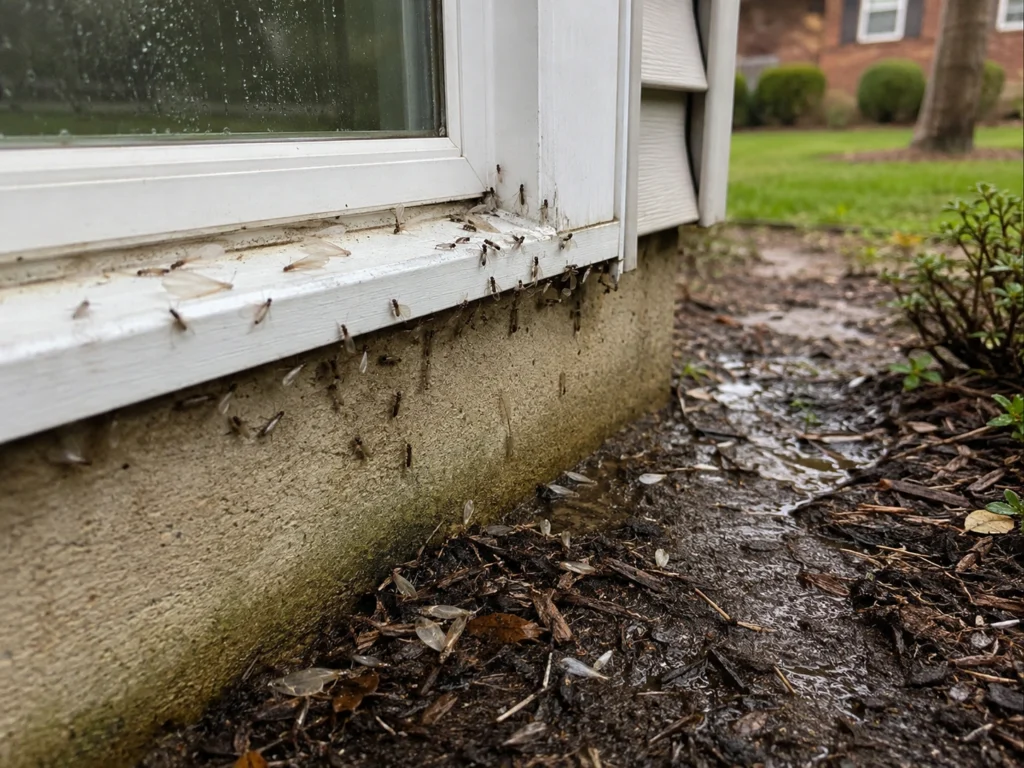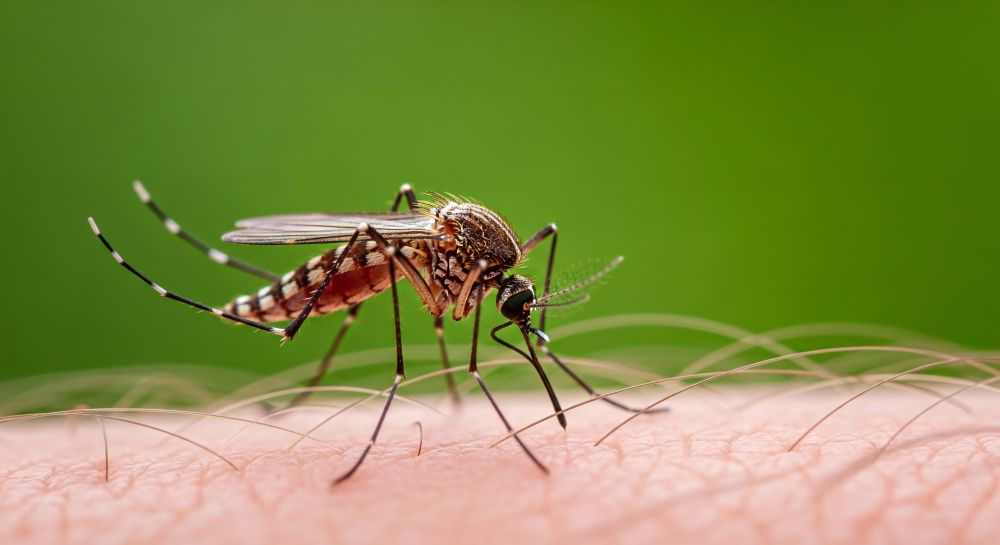
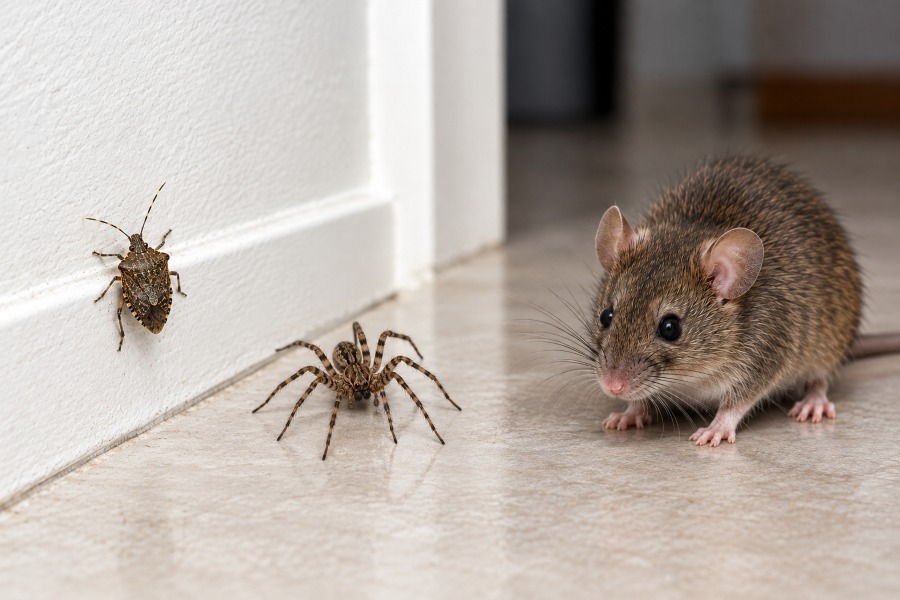
Have you been seeing more stink bugs, spiders, and rodents around your home lately? Cooler weather often brings these pests closer to sheltered parts of the home, making their activity easier to notice.
If you’re seeing more activity than usual, now is a good time to take a closer look at where pests may be getting in. Catching the early signs of fall pests in North Carolina can make it easier to deal with the problem before it becomes more persistent later in the season.
What Fall Pest Activity Should You Look For?
Some signs are easy to overlook at first. A few bugs near a window or a small web around an exterior light may not seem unusual, but repeated activity can point to a nearby entry point or sheltering area.
This table highlights what homeowners may notice first and where to check.
| Pest | What You May Notice First | Where to Check |
| Stink bugs | Clusters on sunny walls, insects around windows, or occasional bugs indoors | Siding, window frames, soffits, and attic areas |
| Spiders | Fresh webs, egg sacs, or repeated sightings near lights and entrances | Porches, garages, eaves, and window areas |
| Mice and rats | Droppings, scratching sounds, chewed packaging, or disturbed insulation | Garages, crawl spaces, attics, and storage areas |
Stink Bugs: What Should Homeowners Watch For
Brown marmorated stink bugs often become easier to spot once temperatures begin to fall. Sunny exterior walls attract them during the day, and as conditions cool, they look for protected places to spend the colder months.
That can bring them closer to windows, siding, soffits, and rooflines.
NC State Extension describes brown marmorated stink bugs as nuisance pests in structures, especially when large numbers move indoors to overwinter.
Signs of Stink Bug Activity
Look for:
- Groups of brown, shield-shaped insects on siding
- Stink bugs collecting around windows or doors
- Insects appearing inside upstairs rooms
- Activity around attics, soffits or rooflines
- Repeated sightings near the same openings
A few insects outside are common during fall. Repeated indoor activity usually deserves closer attention.
How to Help Prevent Stink Bugs
Focus on exterior access points before large numbers begin moving indoors.
We recommend:
- Repairing damaged window screens
- Replacing worn weather stripping
- Sealing accessible gaps around siding and trim
- Checking openings around pipes and cables
- Inspecting soffits and roofline gaps
Crushing stink bugs indoors can release their strong defensive odor. Vacuuming them or removing small numbers carefully is usually easier.
Spiders: Why Do They Seem More Active in Fall
Spider activity can become much more noticeable in late summer and fall. Many species reach maturity around this time, so larger spiders and more visible webs may start appearing around porches, garages, windows, and exterior lights.
Outdoor lighting can contribute as well. Flying insects gather around lights, creating convenient feeding areas for spiders.
According to NC State Extension’s guidance on spiders in and around homes, frequent indoor spider activity can point to a steady supply of nearby insects, which is why reducing insect activity and sealing entry points matter for long-term control.
Signs of Spider Activity
Watch for:
- Webs repeatedly appearing around doors or windows
- Egg sacs in sheltered corners
- Spiders inside garages or storage areas
- Regular indoor sightings
- Webs around outdoor lighting
A single outdoor web is usually part of normal seasonal activity. Repeated sightings inside the home can indicate accessible entry points or a steady insect food source.
How to Help Prevent Spiders
Repeated spider activity often has a reason. Insects may gather around lights, or spiders may find easy access through doors, windows, and garage areas.
A few simple changes can help:
- Clear away old webs when you see them.
- Trim shrubs and plants that touch the house.
- Keep garages and storage areas less cluttered.
- Repair torn screens and worn door seals.
- Cut back on unnecessary outdoor lighting near entrances.
If spiders are still turning up indoors, our Charlotte pest control team can check for spider activity and look for the conditions that may be bringing them inside.
Rodents: Where They Hide as Temperatures Drop
Rodents deserve more attention because they can establish nesting areas inside a home and remain active through winter.
Mice and rats often use garages, attics, wall voids, and crawl spaces for shelter. In many cases, homeowners notice evidence before seeing an actual rodent.
NC State Extension warns that mice can contaminate food, damage building materials, and carry pathogens, making repeated signs of activity worth addressing immediately.
Signs of Rodent Activity
Look and listen for:
- Droppings along walls or inside cabinets
- Scratching sounds after dark
- Chewed food packaging
- Gnaw marks on wood or stored items
- Shredded paper or insulation
- Unusual pet interest near walls
- Activity around garage or crawl-space entrances
Repeatedly finding these signs suggests rodents may already be using part of the structure.
How to Help Prevent Rodents
Rodent prevention should focus on access, food and shelter.
We recommend:
- Sealing accessible exterior openings
- Checking garage door seals
- Keeping pet food in secure containers
- Clearing clutter from storage areas
- Keeping rubbish bins closed
- Moving stored materials away from exterior walls
- Inspecting crawl-space and attic access points
Removing rodents without addressing how they entered can leave the same route open for future activity.
Where Do Fall Pests Commonly Get into a House?
Many seasonal pest problems begin with small openings that are easy to overlook.
Check these areas first:
- Exterior doors and weather stripping
- Window frames and screens
- Gaps around plumbing or utility lines
- Garage door edges
- Crawl-space vents
- Attic vents
- Soffits and fascia
- Cracks around exterior trim
A slow walk around the outside of the home can reveal problems that are difficult to notice from indoors.
Our backyard pest prevention guide also covers vegetation, moisture, trash, and other exterior conditions that can support pest activity close to the house.
Are Fall Pest Problems the Same Across the Charlotte Area?
Not always.
Homes near wooded areas, lakes, or heavy vegetation may see different pest activity than homes in newer, more built-up neighborhoods.
Construction style, moisture, landscaping and the condition of doors or vents can all influence how pests find their way inside.
We provide pest control throughout Charlotte and the surrounding region. You can view our pest control service areas to confirm whether we service your location.
When Should You Call a Pest Control Professional?
An occasional outdoor spider or a single stink bug near a window does not always require treatment.
However, an inspection becomes more useful when:
- Pests repeatedly appear indoors
- Rodent droppings or gnaw marks are present
- Scratching noises are coming from walls or ceilings
- Spider activity continues despite removing webs
- Stink bugs keep returning through the same areas
- The pest or entry point cannot be identified
Our process starts by identifying the pest and checking where activity is occurring. That helps determine whether treatment, exclusion or another preventive step is appropriate.
What Does Professional Fall Pest Control Involve?
An inspection can help identify the pest, locate entry points, and show where activity is most concentrated.
Depending on the situation, control measures may include:
- Sealing or recommending repairs around common entry points
- Treating areas where pests are active
- Removing webs
- Addressing insect activity that attracts spiders
- Placing rodent control devices where appropriate
- Recommending changes to food storage or sanitation
The approach can vary widely from one pest to another. Stink bugs may require more attention around exterior openings, while spider control can involve reducing the insects they feed on.
Rodent problems often need both removal and entry-point control.
Frequently Asked Questions
When do fall pests usually start coming indoors in North Carolina?
Homeowners often notice more activity once nights begin to cool in early fall. Stink bugs may start gathering around windows and siding, while rodents can begin exploring garages, attics, and crawl spaces for shelter.
Are stink bugs harmful to the house?
They are mostly a nuisance indoors. The bigger issue is usually how many get inside and where they enter from.
Why do spiders keep coming back after I remove the webs?
If the same area keeps attracting insects, spiders still have a reason to return. Checking nearby lights, screens, doors, and other entry points can help reduce repeat activity.
How do I know if there are mice in the attic?
Scratching sounds, droppings, chewed materials, and disturbed insulation are common warning signs. If those signs keep appearing, it is worth having the area inspected.
When should I start preparing my home for fall pests?
Early fall is a good time to check screens, door seals, vents, and other exterior openings. Taking care of those areas before temperatures drop further can help limit access later in the season.
Get Ahead of Fall Pests Before They Move Indoors
Stink bugs, spiders, and rodents do not behave the same way, but all three can become more noticeable around North Carolina homes as the seasons change.
Checking entry points early can help reduce indoor pest activity. Managing outdoor conditions around the home can also make the area less attractive to pests.
If pests keep appearing around the property, our team can inspect the home, identify likely access points, and recommend next steps based on what we find.
Contact our team to schedule an inspection in Charlotte or the surrounding area.